Sustainable Construction Practices in Kenya: Building for a Greener Future
The construction industry is one of the fastest-growing sectors in Kenya, contributing significantly to economic development, infrastructure expansion, and urban growth. However, as the demand for residential, commercial, industrial, and institutional buildings continues to increase, so does the need for environmentally responsible construction practices.
Today, property developers, businesses, homeowners, and government institutions are increasingly embracing sustainable construction methods that reduce environmental impact while improving efficiency, durability, and long-term cost savings.
Sustainable construction is no longer a global trend—it is becoming a necessity. In Kenya, organizations that invest in green building solutions are positioning themselves for long-term success while contributing to environmental conservation and resource efficiency.
At Biophilia Kenya, we believe that creating modern spaces should not come at the expense of the environment. Through innovative construction and interior finishing solutions, we help clients develop spaces that are functional, beautiful, and environmentally responsible.
What Is Sustainable Construction?
Sustainable construction refers to the planning, design, construction, operation, and maintenance of buildings in ways that minimize environmental impact while maximizing efficiency and occupant well-being.
The goal is to create buildings that:
- Use resources efficiently
- Reduce energy consumption
- Minimize waste generation
- Improve indoor environmental quality
- Lower operational costs
- Protect natural ecosystems
Sustainable construction considers the entire lifecycle of a building, from design and construction to long-term use and maintenance.
Why Sustainable Construction Matters in Kenya
Kenya faces several environmental challenges, including:
- Rapid urbanization
- Increasing energy demand
- Water scarcity
- Climate change impacts
- Resource depletion
- Waste management challenges
As cities continue to grow, sustainable construction provides practical solutions that help address these challenges while supporting economic development.
Green buildings not only benefit the environment but also create healthier and more efficient spaces for occupants.
Benefits of Sustainable Construction
1. Reduced Energy Consumption
One of the primary goals of sustainable construction is improving energy efficiency.
Buildings account for a significant portion of energy consumption worldwide. Sustainable designs help reduce this demand through:
- Energy-efficient lighting
- Solar energy systems
- Natural ventilation
- Improved insulation
- Smart building technologies
Reduced energy usage translates into lower utility costs for property owners and occupants.
2. Lower Operating Costs
Although some sustainable building features may require a higher initial investment, they often result in substantial long-term savings.
Cost-saving measures include:
- Lower electricity bills
- Reduced water consumption
- Lower maintenance costs
- Increased building durability
These savings can significantly improve the return on investment over the lifespan of a property.
3. Improved Indoor Air Quality
Occupants spend a large portion of their time indoors.
Poor indoor air quality can negatively affect health, productivity, and comfort.
Sustainable construction promotes healthier environments through:
- Proper ventilation systems
- Low-VOC paints and finishes
- Natural lighting
- Indoor plants and greenery
- Non-toxic building materials
Healthier indoor environments contribute to improved well-being and productivity.
4. Environmental Protection
Sustainable construction helps reduce environmental impact by:
- Conserving natural resources
- Minimizing waste generation
- Reducing greenhouse gas emissions
- Protecting biodiversity
- Promoting responsible resource management
These practices support Kenya’s environmental conservation goals and sustainable development initiatives.
Key Sustainable Construction Practices in Kenya
Energy-Efficient Building Design
Design plays a critical role in building sustainability.
Architects and construction professionals can improve efficiency by incorporating:
Natural Lighting
Maximizing daylight reduces dependence on artificial lighting.
Building Orientation
Positioning buildings strategically improves thermal comfort and energy performance.
Natural Ventilation
Proper airflow reduces reliance on mechanical cooling systems.
Thoughtful design decisions can significantly lower a building’s energy requirements.
Use of Sustainable Building Materials
Material selection has a major impact on a building’s environmental footprint.
Popular sustainable building materials include:
Recycled Materials
Materials such as recycled steel and reclaimed wood reduce demand for virgin resources.
Locally Sourced Materials
Using local materials reduces transportation emissions and supports local economies.
Sustainable Timber
Responsibly sourced timber promotes forest conservation.
Durable Finishing Materials
Long-lasting materials reduce replacement frequency and waste generation.
Selecting sustainable materials improves both environmental and economic performance.
Water Conservation Measures
Water management is becoming increasingly important in Kenya due to growing demand and periodic shortages.
Sustainable buildings often include:
Water-Efficient Fixtures
Low-flow taps, toilets, and showerheads reduce water consumption.
Rainwater Harvesting Systems
Collected rainwater can be used for irrigation and non-potable applications.
Efficient Plumbing Design
Minimizes water waste while improving system performance.
Water-saving strategies contribute to lower utility costs and resource conservation.
Sustainable Interior Construction and Finishing
Sustainability extends beyond structural construction into interior spaces.
Modern interior construction solutions include:
Eco-Friendly Flooring
Options such as bamboo, recycled materials, and durable vinyl products offer sustainable alternatives.
Low-VOC Paints
These paints improve indoor air quality by reducing harmful emissions.
Energy-Efficient Lighting
LED lighting systems consume less energy and have longer lifespans.
Sustainable Furniture Solutions
Furniture made from responsibly sourced or recycled materials supports environmental objectives.
At Biophilia Kenya, we integrate sustainable interior finishing practices that promote healthier and more efficient spaces.
Biophilic Design and Sustainability
Biophilic design is an increasingly popular approach that incorporates natural elements into built environments.
Examples include:
- Indoor plants
- Green walls
- Natural textures
- Water features
- Natural lighting
Benefits of biophilic design include:
Enhanced Employee Productivity
Nature-inspired spaces support focus and creativity.
Improved Mental Well-Being
Natural environments reduce stress and improve mood.
Better Indoor Air Quality
Plants contribute to healthier indoor environments.
Biophilic design aligns closely with sustainable construction principles while improving occupant experiences.
Waste Reduction During Construction
Construction activities can generate significant waste if not properly managed.
Sustainable construction practices prioritize:
- Recycling construction materials
- Reusing existing components
- Efficient material planning
- Responsible waste disposal
Reducing waste helps lower project costs and environmental impact.
The Role of Technology in Sustainable Construction
Modern technology is helping transform sustainable building practices.
Innovations include:
Smart Building Systems
Automate lighting, heating, cooling, and energy management.
Energy Monitoring Systems
Track consumption and identify efficiency opportunities.
Building Information Modeling (BIM)
Improves planning, coordination, and resource management.
Technology enables more efficient construction processes and long-term building performance.
Challenges Facing Sustainable Construction in Kenya
Despite its many benefits, sustainable construction still faces challenges, including:
- Higher upfront costs
- Limited awareness
- Availability of specialized materials
- Skills shortages in some areas
- Resistance to change
However, increasing demand and growing awareness are helping drive adoption across the industry.
Why Sustainable Construction Is the Future
Global trends indicate that sustainability will continue to influence construction practices for decades to come.
Organizations that embrace green building solutions today benefit from:
- Reduced operating costs
- Increased property value
- Improved occupant satisfaction
- Enhanced environmental performance
- Stronger corporate reputation
As environmental concerns continue to grow, sustainable buildings are becoming increasingly attractive to investors, tenants, and consumers.
Why Choose Biophilia Kenya?
At Biophilia Kenya, sustainability is at the heart of our construction and interior finishing solutions.
We help clients develop environmentally responsible spaces through:
- Sustainable construction practices
- Energy-efficient solutions
- Modern interior finishes
- Office fit-outs
- Renovation projects
- Eco-friendly material recommendations
Our goal is to create spaces that balance functionality, aesthetics, and environmental responsibility.
Conclusion
Sustainable construction is transforming the future of building development in Kenya. By embracing green building practices, energy-efficient designs, sustainable materials, and environmentally responsible construction methods, property owners can reduce costs, improve building performance, and contribute to a healthier planet.
Whether you are planning a new construction project, office fit-out, renovation, or interior finishing upgrade, incorporating sustainability into your project is a smart investment for the future.
Partnering with experienced professionals such as Biophilia Kenya ensures that your project meets modern sustainability standards while delivering long-term value and exceptional results.
Related Posts
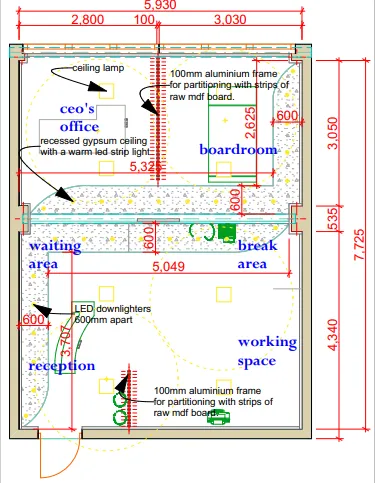
How to Choose an Interior Contractor in Nairobi: A Complete Guide for Property Owners
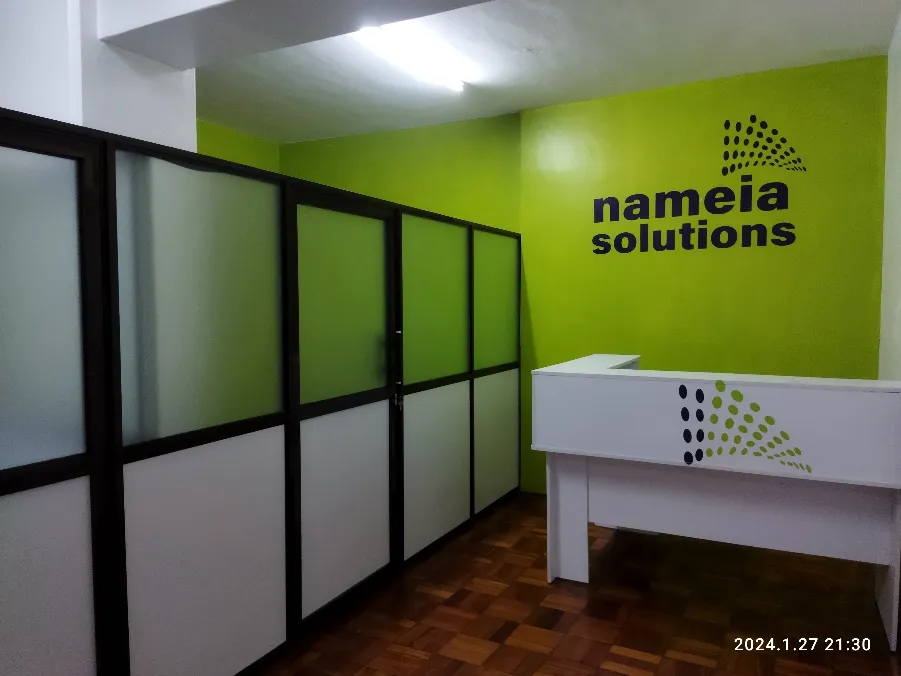
Office Renovation Checklist: Everything You Need to Know Before Starting Your Project
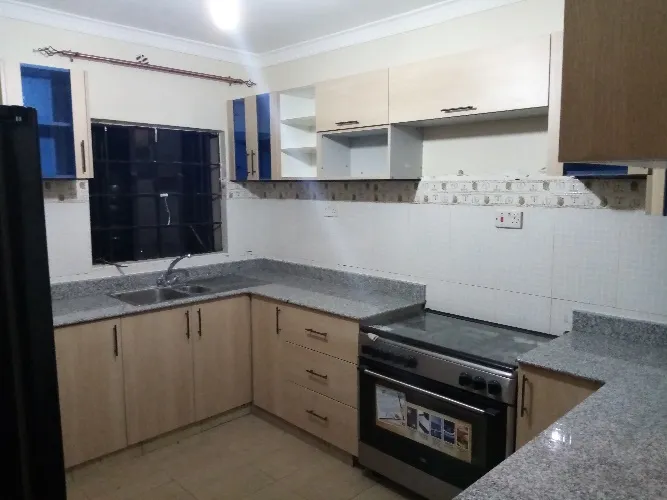
Modern Kitchen Design Trends in Kenya: Creating Stylish and Functional Spaces in 2026

Best Flooring Options for Offices in Kenya: A Complete Guide for Modern Workspaces
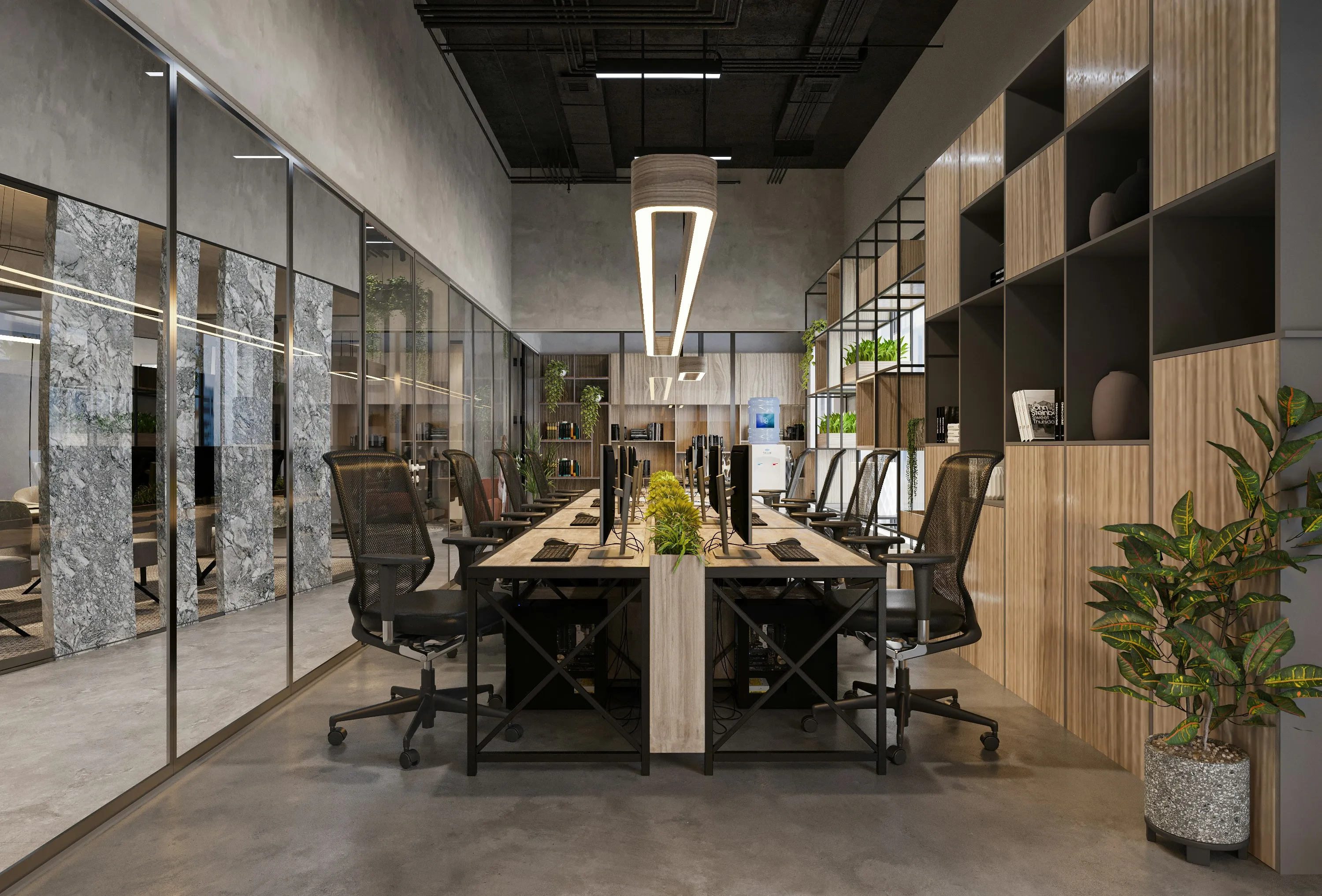
Office Fit-Out Costs in Kenya: What Businesses Need to Know in 2026
The Complete Guide to Office Fit-Out Services in Kenya: From Planning to Completion
How Quality Interior Finishes Increase Property Value in Kenya
Top Interior Design Trends Transforming Commercial Offices in Kenya in 2026