Top Interior Design Trends Transforming Commercial Offices in Kenya in 2026
The modern workplace has evolved significantly over the past few years. Businesses are no longer focused solely on providing desks and chairs for employees. Today’s organizations understand that office design directly influences productivity, employee well-being, collaboration, creativity, and even business performance.
In Kenya, companies across various industries are investing in modern office fit-outs and workplace renovations to create spaces that attract talent, improve efficiency, and reflect their brand identity.
As businesses adapt to changing work environments, several office interior design trends are shaping commercial spaces in 2026. Whether you’re planning a new office, renovating an existing workspace, or expanding your operations, understanding these trends can help you make informed design decisions.
Why Office Design Matters More Than Ever
Research continues to show that workplace environments affect employee satisfaction, productivity, and overall performance.
A well-designed office can:
- Improve employee engagement
- Enhance collaboration
- Increase productivity
- Reduce workplace stress
- Strengthen company culture
- Create a positive impression on clients and visitors
Businesses that prioritize workplace design often experience improved employee retention and better operational outcomes.
1. Biophilic Design Is Becoming a Workplace Standard
One of the fastest-growing trends in commercial office design is biophilic design.
Biophilic design focuses on incorporating natural elements into indoor spaces to strengthen the connection between people and nature.
Common biophilic design features include:
- Indoor plants
- Natural lighting
- Green walls
- Water features
- Natural wood finishes
- Organic textures and materials
The benefits of biophilic design include:
Improved Employee Well-Being
Natural elements help reduce stress and improve mental health.
Increased Productivity
Studies have shown that employees working in nature-inspired environments often perform better and stay focused longer.
Better Air Quality
Indoor plants can contribute to healthier indoor environments by improving air quality.
For businesses seeking healthier and more productive workplaces, biophilic design has become a valuable investment.
2. Flexible Workspaces Are Replacing Traditional Layouts
The era of rigid office layouts is fading.
Modern businesses require workspaces that can easily adapt to changing team structures, project requirements, and work styles.
Flexible office designs often include:
- Open workstations
- Modular furniture
- Multi-purpose meeting spaces
- Collaborative zones
- Quiet focus rooms
- Hot-desking areas
Flexible workspaces allow organizations to maximize space utilization while supporting different types of work activities.
3. Smart Office Technology Integration
Technology is playing an increasingly important role in workplace design.
Modern office fit-outs now incorporate smart solutions that improve efficiency and convenience.
Examples include:
Smart Lighting Systems
Automatically adjust lighting based on occupancy and natural daylight levels.
Smart Climate Control
Maintains optimal temperatures while reducing energy consumption.
Video Conferencing Spaces
Dedicated rooms equipped with advanced communication technology for hybrid teams.
Access Control Systems
Enhance security while simplifying employee access management.
Technology-driven workspaces help businesses improve operational efficiency and employee experiences.
4. Sustainable Office Design
Sustainability has become a major consideration in office construction and renovation projects.
Organizations are increasingly adopting environmentally responsible design practices that reduce operational costs and environmental impact.
Popular sustainable design features include:
- Energy-efficient lighting
- Water-saving fixtures
- Recycled materials
- Low-VOC paints
- Natural ventilation systems
- Sustainable furniture solutions
Beyond environmental benefits, sustainable offices often experience lower utility costs and improved employee wellness.
5. Employee Wellness Spaces
Modern organizations recognize the importance of supporting employee health and well-being.
As a result, wellness-focused office design is becoming increasingly popular.
Examples include:
Relaxation Areas
Spaces where employees can recharge during breaks.
Wellness Rooms
Private rooms designed for relaxation, meditation, or personal wellness needs.
Fitness Facilities
Dedicated exercise or stretching areas.
Comfortable Breakout Zones
Informal spaces that encourage social interaction and creativity.
Providing wellness spaces demonstrates a company’s commitment to employee care and work-life balance.
6. Collaborative Work Environments
Today’s businesses thrive on teamwork and innovation.
Office designs are increasingly focused on encouraging collaboration while maintaining individual productivity.
Key collaborative design features include:
- Open meeting areas
- Informal discussion spaces
- Interactive brainstorming rooms
- Flexible seating arrangements
- Team collaboration hubs
These spaces foster communication and help employees exchange ideas more effectively.
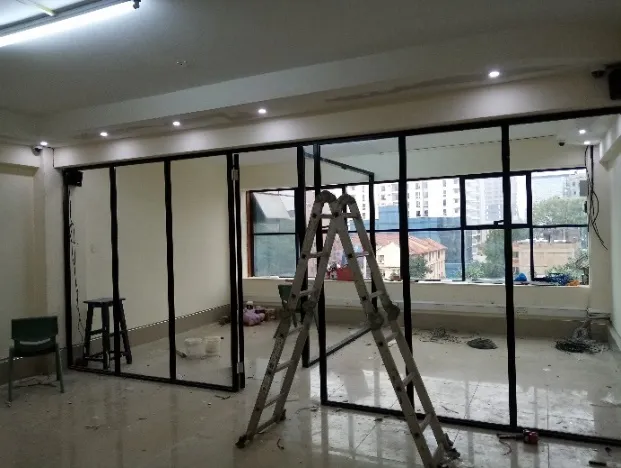
7. Modern Office Partitioning Solutions
While open offices remain popular, businesses are also seeking ways to balance collaboration with privacy.
Modern partitioning solutions offer flexibility without creating isolated environments.
Popular options include:
Glass Partitions
Provide privacy while maintaining openness and natural light flow.
Acoustic Partitions
Reduce noise levels in busy work environments.
Modular Partition Systems
Allow offices to be reconfigured as organizational needs evolve.
Professional office partitioning improves functionality while maintaining a modern aesthetic.
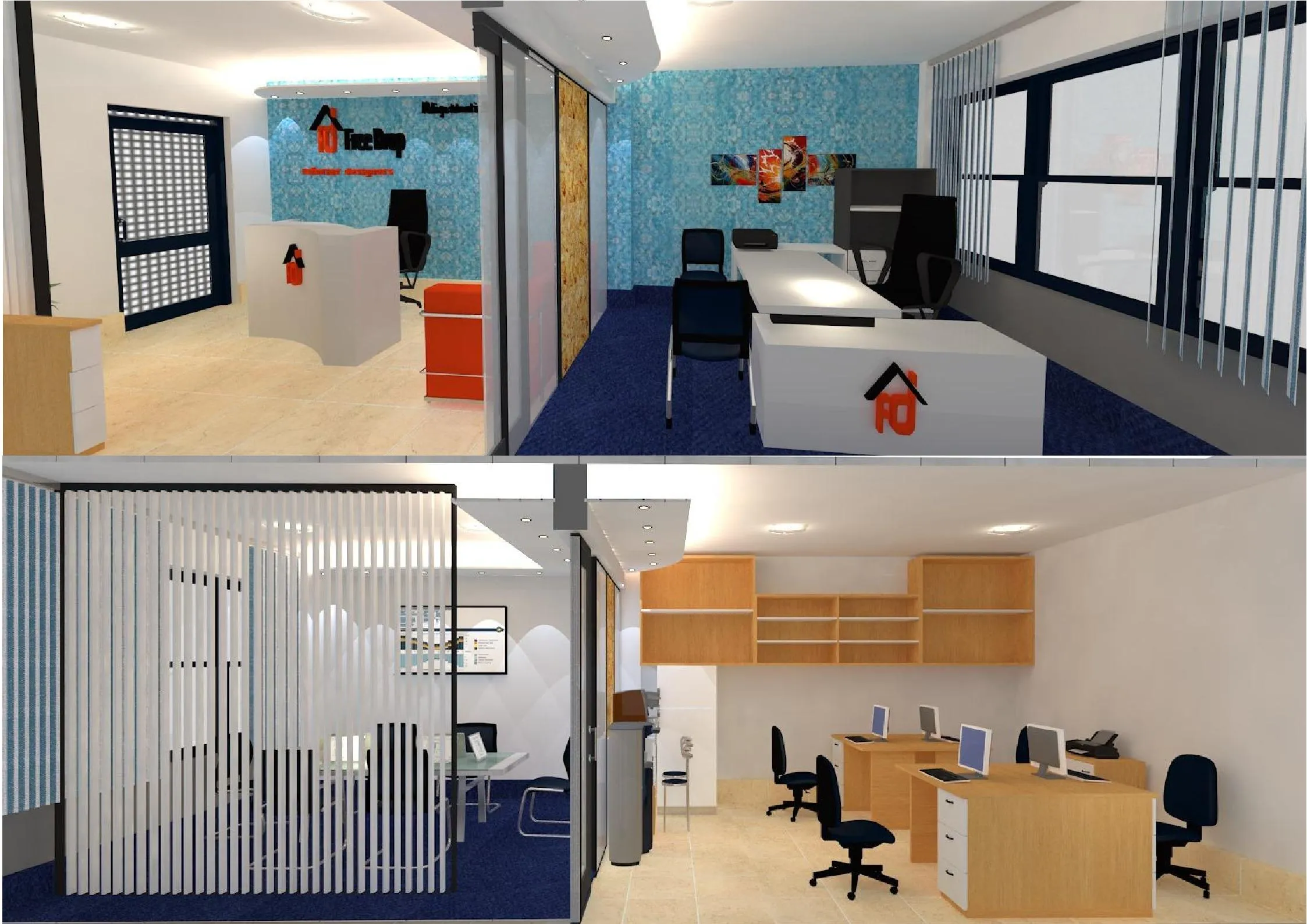
8. Brand-Centered Workplace Design
Businesses increasingly use office interiors as an extension of their brand identity.
Workplace design can communicate company values, culture, and professionalism.
Brand-centered design elements may include:
- Company colors
- Custom signage
- Branded meeting rooms
- Feature walls
- Unique furniture selections
A branded workspace creates a memorable experience for employees, clients, and visitors.
Common Mistakes Businesses Should Avoid
When planning an office renovation or fit-out, businesses should avoid:
- Prioritizing aesthetics over functionality
- Ignoring employee needs
- Poor space planning
- Insufficient lighting
- Lack of future scalability
- Choosing low-quality materials
Working with experienced interior construction professionals helps avoid these costly mistakes.
Why Partner with Biophilia Kenya?
At Biophilia Kenya, we specialize in creating modern, functional, and sustainable office environments tailored to the needs of today’s businesses.
Our expertise includes:
- Office fit-outs
- Interior construction
- Office partitioning
- Space planning
- Furniture installation
- Renovation projects
- Sustainable workplace solutions
We work closely with clients to deliver office spaces that enhance productivity, strengthen brand identity, and support employee well-being.
Conclusion
The future of office design in Kenya is centered around flexibility, sustainability, wellness, and innovation. Organizations that embrace these trends are creating workplaces that attract talent, improve productivity, and support long-term business growth.
Whether you’re planning a new office fit-out or renovating an existing workspace, investing in modern workplace design can significantly enhance your organization’s success.
Related Posts
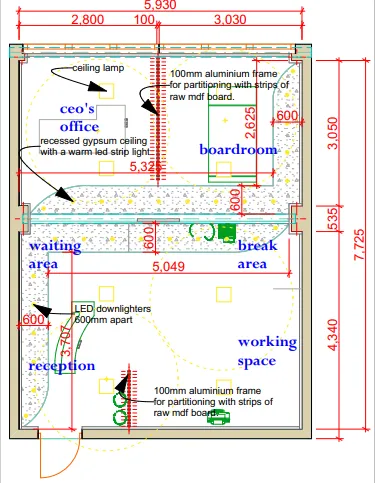
How to Choose an Interior Contractor in Nairobi: A Complete Guide for Property Owners
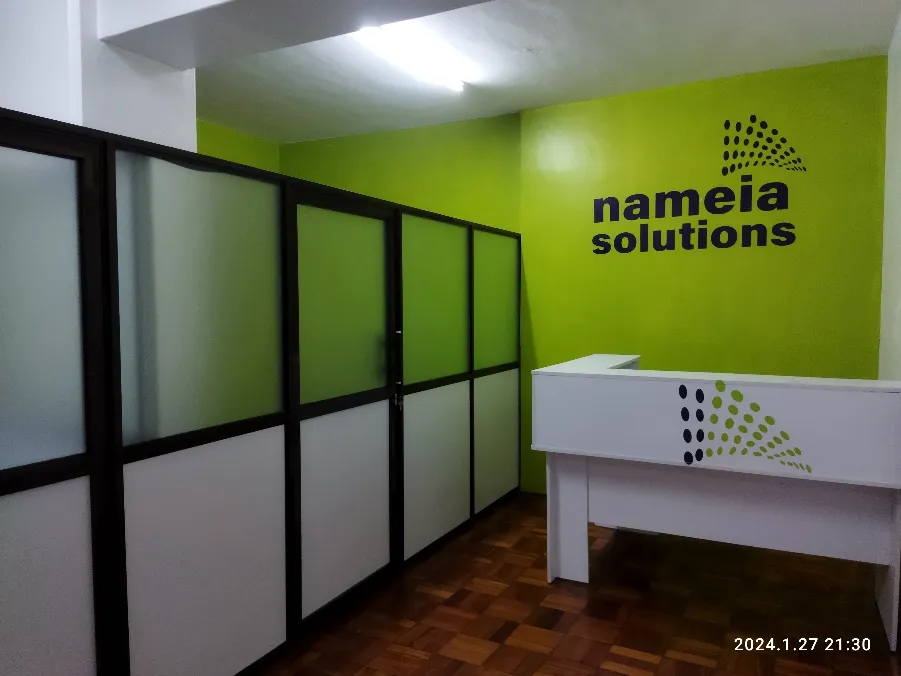
Office Renovation Checklist: Everything You Need to Know Before Starting Your Project
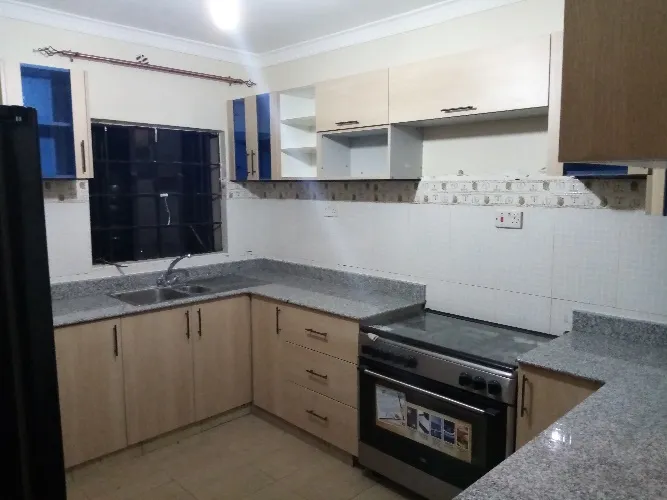
Modern Kitchen Design Trends in Kenya: Creating Stylish and Functional Spaces in 2026
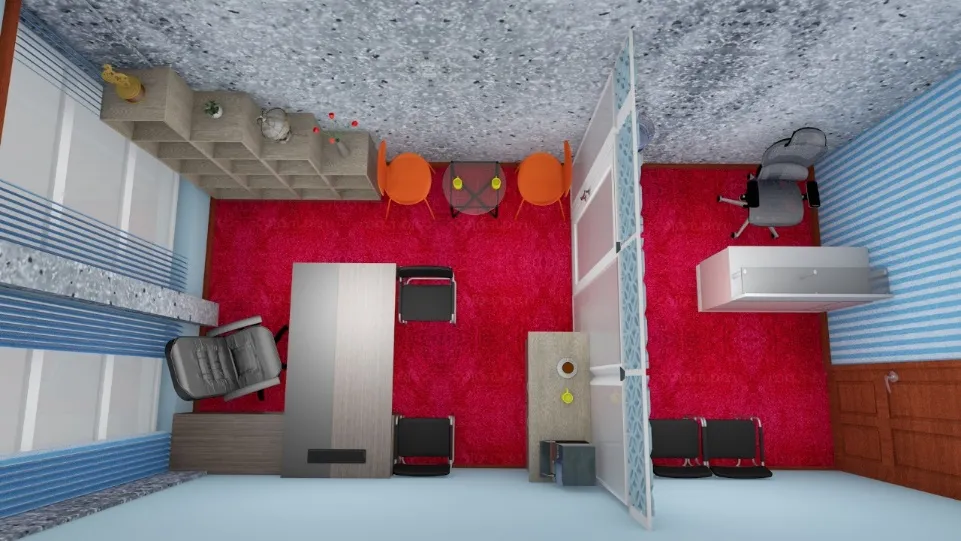
Best Flooring Options for Offices in Kenya: A Complete Guide for Modern Workspaces
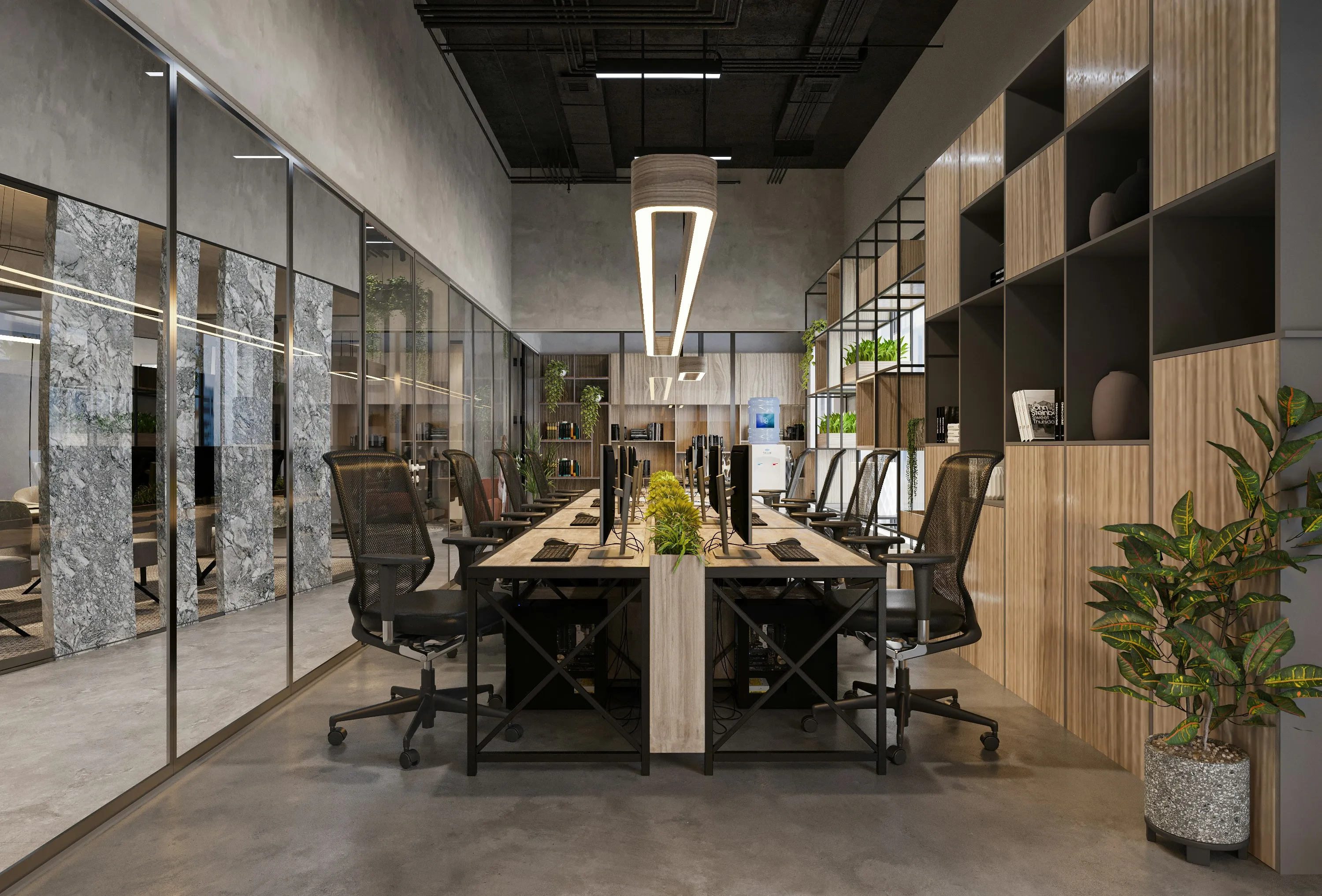
Office Fit-Out Costs in Kenya: What Businesses Need to Know in 2026
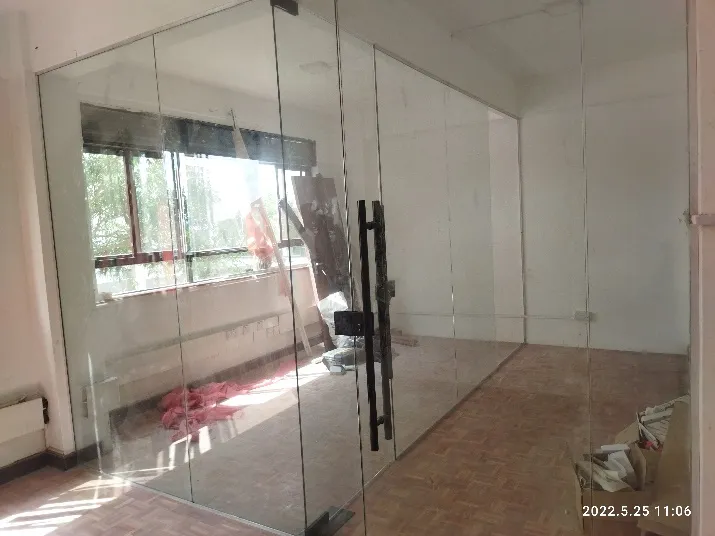
Sustainable Construction Practices in Kenya: Building for a Greener Future
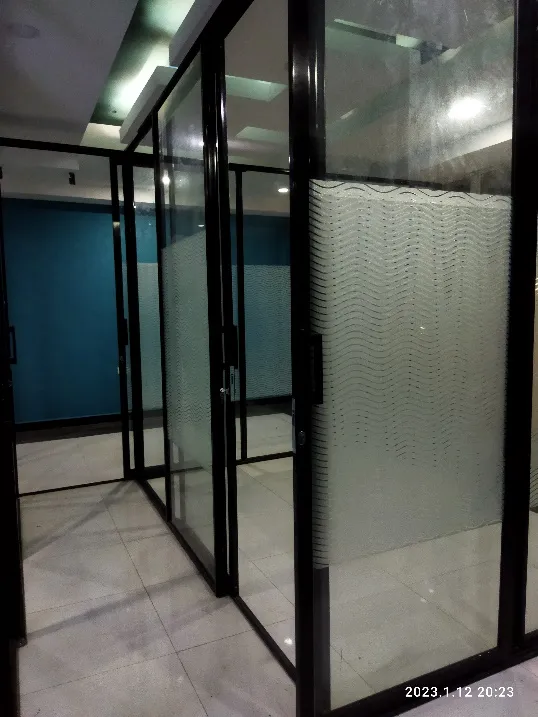
The Complete Guide to Office Fit-Out Services in Kenya: From Planning to Completion
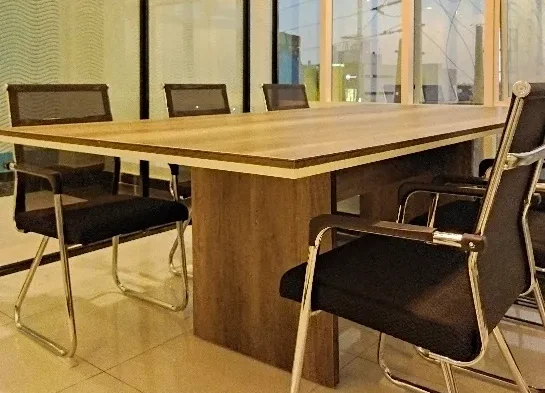
How Quality Interior Finishes Increase Property Value in Kenya